
How to read weekend cricket news on Betobet without losing the match signals
Indian fantasy readers open their phones Saturday morning to a flood of headlines — match previews, injury tweets, squad rumours, schedule shifts, weather updates, and a dozen result recaps from Friday night. The hard part is not finding cricket news. The hard part is keeping only the match signals that actually change how a fantasy team is locked.

The 15-minute weekend cricket news read
Most Indian fantasy players don't need to read everything that drops on a Saturday. The match signals they need for the next 48 hours fit on one screen if read in the right order. The order matters more than the volume: a stack of injury news read before the squad update is noise; the same stack read in priority order becomes a clean team edit.
The Betobet news desk splits a weekend cricket news flood into five buckets, and asks the reader to spend roughly three minutes on each before locking any team:
Reading order for a weekend match block
- Result recaps from the night before — who actually played, who got rested, who got a knock
- Injury news and fitness updates — any player ruled out, any reported niggle, any workload watch
- Squad updates and playing XI signals — confirmed changes, impact-player hints, net-session reads
- Schedule and venue shifts — start-time moves, rain threats, dew factor, boundary length
- Match preview and result forecasts — probable XIs, captain lanes, odds-style reads
Reading in that order — recap, injury, squad, schedule, preview — turns the same flood of headlines into a tidy checklist. The recap tells the reader what actually happened (so they don't trust a tweet from two hours ago). The injury list tells them who might not be available. The squad signals tell them who is available in the likely XI. The schedule tells them when to lock the team. The preview tells them what shape the match is likely to take.
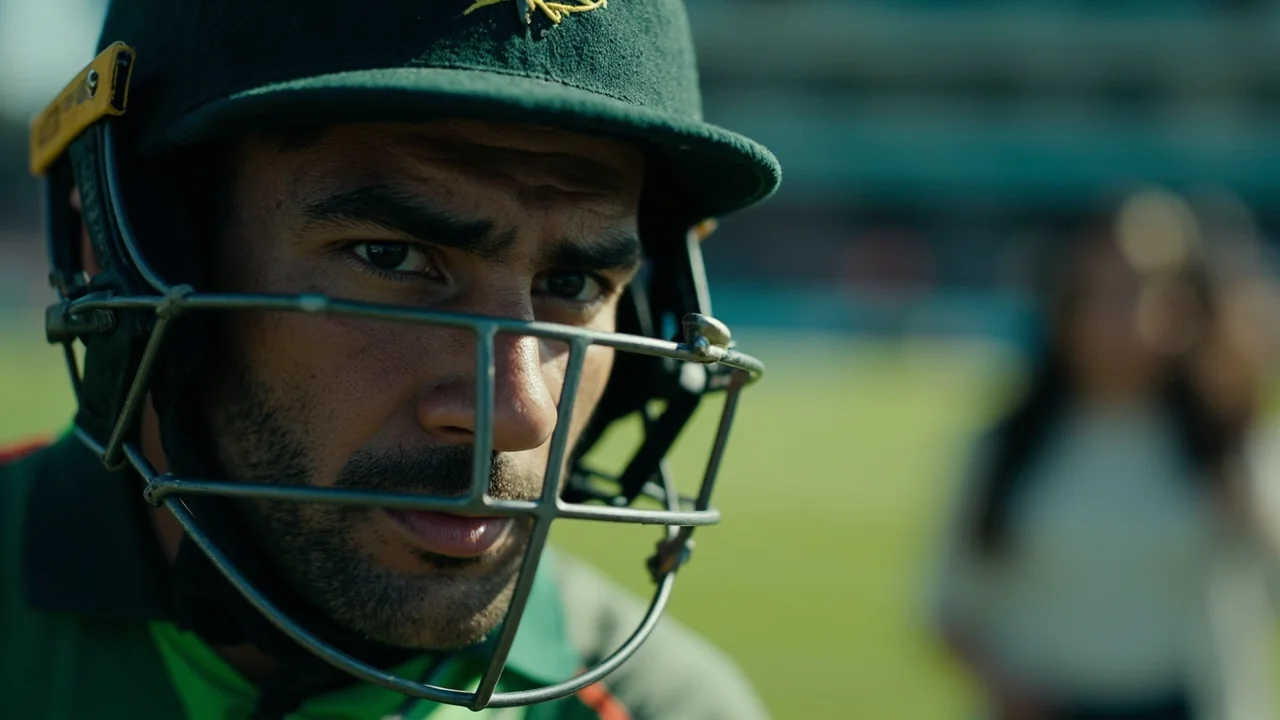
Why reading order changes the team you lock
Skipping ahead is the most common weekend mistake. A reader opens a match preview first, picks a captain based on the preview's recommendation, and then scrolls into the injury feed to discover the captain has a hamstring strain and is being rested as a precaution. The team is already locked with an unavailable player — the contest is over before toss.
The same logic applies in the other direction. A reader who only watches the injury feed and never opens the schedule feed can lock a healthy team for a match that gets pushed an hour forward by rain, missing the contest window entirely. Each bucket is a guardrail. All five need to be read for the team edit at the end to be reliable.
Bucket one: result recaps from the night before
The recap bucket is where the weekend starts, not where it ends. Friday-night ODI finishes, late IPL chase, county match results, women's T20s — these set the ground truth for Saturday's selections. A bowler who went for 50 in four overs Friday night may be on a workload watch by Saturday morning; a batter who retired hurt Friday may be batting four on Saturday but with movement restrictions.
What to lift from a recap: confirmed playing XIs, batter and bowler workloads, any retirements or rest flags, scores and strike rates that change captain valuation. What to leave behind: advertising copy, sponsor activations, post-match speeches that don't mention selection.
Bucket two: injury news and fitness updates
Injury news is the bucket where the wrong headline hurts the most. A "ruled out" report is final; a "doubtful" report is a coinflip; a "niggle" report is usually played through. Reading the difference matters. A "ruled out" before the toss means the player is not in the XI; fantasy points from that slot will be zero. A "doubtful" means a late call in the dressing room; fantasy readers should hold the swap until the toss lands and a confirmation tweet or board post follows.
Three signals to weight differently on Betobet: official board press notes beat reporter tweets; medical-update posts from team physiotherapists beat post-match interviews; squad-list PDFs beat everything else if the team releases one. The recap bucket should already list some of these; the injury bucket is where the reader double-checks them.
Workload watches are a quieter part of the injury bucket. A bowler who bowled four overs on Friday night plus warm-up spells may carry a 24-hour rest restriction into Saturday's match. The recap may mention this; the team management press conference usually repeats it. If the team management hasn't commented, treat workload as a soft signal — keep the bowler in the XI but reduce captain weighting on them.
Bucket three: squad updates and playing XI signals
Squad updates convert injury reads into fantasy trades. A confirmed XI change means the new player replaces the old one in the slot, with a fresh captain lane and a fresh role. A likely XI change (signalled by net-session reads, optional training, management hints) means the reader should hold one transfer slot open until the toss.
Three squad signals to track on Betobet: net-session groupings (which bowlers are bowling at which batters), warm-up jersey combinations, and the impact-player announcement when it lands. The first two are early morning; the impact-player announcement is usually 30 minutes before toss. Readers who front-load the squad check by Saturday noon can plan a swap; readers who leave it to Sunday morning usually scramble.

Bucket four: schedule and venue shifts
Schedule shifts change when a contest closes. A start-time move from 7 PM IST to 8:30 PM IST, a venue flip from one ground to another, a rain-reduction announcement cutting the match to 20 overs — each one rewrites the lockdown time. Betobet contest windows track the official start, but a rain-affected match is settled on whatever overs are bowled, and fantasy points follow the official scorecard.
Two practical reads for the schedule bucket: check the broadcaster's slot confirmation (it's usually posted the morning of the match) and check the venue's social posts (grounds staff often post pitch covers and inspection photos before noon). A pitch that was under cover at 10 AM is unlikely to be a dry surface by 7 PM; a toss win could swing the fantasy captain lane from chase-batter to bowl-first bowler.
Bucket five: match preview and result forecasts
The preview bucket is the last read, not the first. After recaps, injuries, squad signals, and schedule shifts have been absorbed, the preview becomes a sanity check rather than a discovery piece. The preview's probable XI should match the squad signals; if it doesn't, that's a clue that the preview is stale (often drafted the night before and not updated) or that the squad signals are soft reads. Either way, the team edit should pause until the discrepancy is resolved.
A useful preview also includes a captain lane (which batter is the likely highest scorer), a differential lane (which low-pick player has upside), and a venue read (how the pitch will play). When all three lanes agree with the squad signals, the team edit is straightforward. When they disagree, the swap is held until toss.
How to skip the noise
The honest answer is that most cricket news on a Saturday morning will not change the team. Player personal-life tweets, sponsor announcements, fan-club posts, schedule of next-week events, and broadcast promos are filler. They don't move a fantasy selection. The trick is to allocate each bucket a strict time budget — three minutes recap, three minutes injury, three minutes squad, three minutes schedule, three minutes preview — and let the rest of the headlines pass.
The Betobet news desk follows the same pattern in its daily recaps: only the signals that move a captain lane or open a swap make the brief. The reader gets the same five-bucket structure compressed into a 10-minute read. That compression is what saves a Saturday afternoon.
A short case: the Saturday morning XI edit
A reader locks a team Friday night. Saturday morning, three signals land: (a) the Friday bowler was rested after a workload watch — the team management confirms at the pre-match press conference; (b) a top-order batter who retired hurt Friday has been ruled out of the Saturday match with a hamstring strain; (c) the venue was under cover until 11 AM and a 30-minute start delay has been confirmed.
In the wrong order, this is a panic edit at 1 PM. In the right order, the reader has read the recap at 8 AM, found the hamstring strain in the injury bucket at 8:15, made the swap in the squad bucket at 8:30, confirmed the delayed start in the schedule bucket at 9 AM, and used the preview bucket at 9:15 to confirm the new captain lane. By 9:30 the team is locked, fully updated, and the rest of the day is free.
Carry this routine into a Monday workday
The five-bucket read is not just for weekends. Monday mornings after a busy weekend carry recaps, any Monday-match injury updates, squad releases for mid-week fixtures, schedule confirmations, and a preview of the next block. The same 15-minute structure works. The benefit of a habit is that the reader stops asking whether to read the headlines and starts asking only which bucket the headline belongs to.
Indian fantasy readers running Betobet can use this routine to step into matches with full context and a clearer team edit, without spending the whole morning on scroll. The Betobet match-day news brief applies the same five-bucket structure to every fixture window the platform tracks, with a captain lane, a differential lane, and a venue read attached to each match.
Read the next weekend's match signals in 10 minutes
Betobet condenses the five-bucket read into a daily brief: recap, injury, squad, schedule, preview — captain and differential lanes attached.
Frequently asked questions about reading weekend cricket news on Betobet
Where does the weekend cricket news feed start on Saturday morning?
Begin with the result recap from Friday night, then the injury feed, then the squad signals, then the schedule shifts, and end with the match preview for the first match of the day. That order keeps the team edit reliable.
How long should the read take on a busy weekend?
About 15 minutes for a full five-bucket cycle. If a single bucket produces no signal (a quiet injury feed, an unchanged schedule, a stable XI), shorten that bucket and move on.
Which injury source should I trust first?
Official board press notes, then team physiotherapist posts, then squad-list PDFs. Reporter tweets can break news first but should be confirmed before any team edit locks.
When should I avoid the preview bucket entirely?
When the squad signals are still soft or the toss has not happened. A preview drafted the night before may not reflect a late captain change or a confirmed XI swap. Skip the preview and wait for the toss in those cases.
Does Betobet apply the same five-bucket structure to its news brief?
Yes. The Betobet daily news brief matches the five-bucket read — recap, injury, squad, schedule, preview — and attaches a captain lane, a differential lane, and a venue read to every tracked fixture.